Audience Discovery Is Fragmented
Different audience segments may discover the same event through different channels, so promotion should not depend on a single platform.
 Chat
Chat
Successful event promotion is no longer built around a single poster, advertisement or social media post. Strong event marketing connects audience research, brand positioning, content, community engagement, registration, reminders and post-event communication into one organised journey.
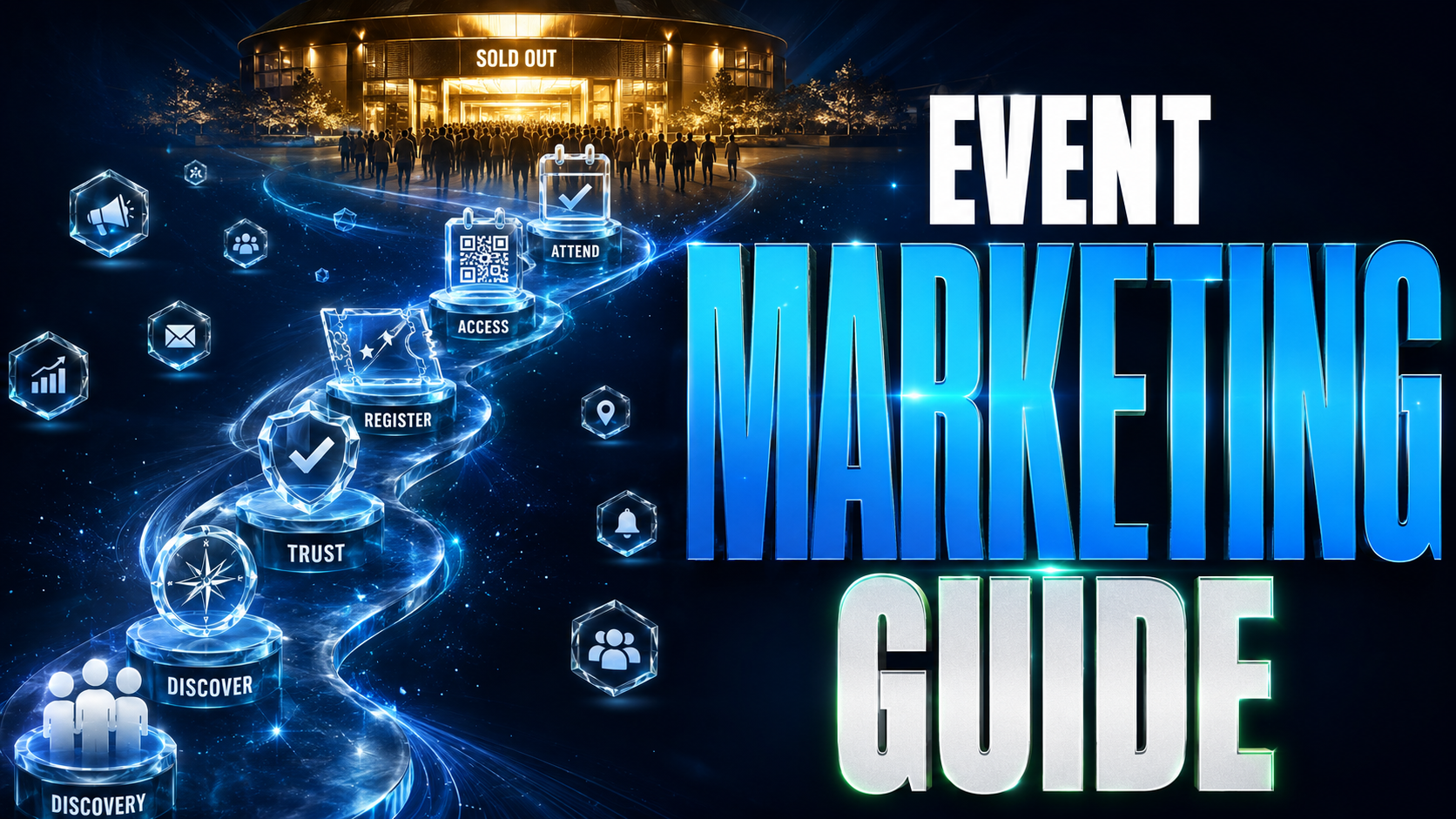
Effective event marketing combines audience targeting, event positioning, digital content, local discovery, registration experience and follow-up. Social media can increase awareness, messaging platforms can support communication and promotional services may support selected visibility goals, but attendance ultimately depends on whether people understand the value of the event and have a clear reason to register and participate.
People rarely decide to attend an event after seeing one promotional message. A potential attendee may first discover an event through an Instagram Reel, shared post, YouTube clip, WhatsApp message, local search, community recommendation or a friend's invitation. They may then compare the date, location, speakers, performers, price, credibility and overall experience before deciding whether to register.
This makes event marketing a journey rather than a single advertisement. Organisers need to create awareness, explain the value of the event, reduce uncertainty and provide a simple path toward registration or ticket purchase.
The same principle applies across many event types, including concerts, conferences, college festivals, exhibitions, workshops, product launches, cultural programmes, sports events, community gatherings and brand activations. The promotional channels may differ, but the objective remains the same: connect the right audience with a clear reason to attend.
Successful event promotion is not simply about generating the largest possible reach. It is about creating a clear path from discovery to interest, trust, registration, attendance and future community engagement.
Event promotion used to depend heavily on posters, print advertisements, outdoor banners, local announcements and word-of-mouth. Those channels can still be useful, but audience discovery now often begins online.
People may first learn about an event through a social post, short video, search result, community group, shared link or direct message. This means event organisers need to think about visibility, credibility and communication across several digital touchpoints rather than relying on one promotional format.
Different audience segments may discover the same event through different channels, so promotion should not depend on a single platform.
Potential attendees may review the venue, date, speakers, performers, ticket price, social proof and event credibility before making a decision.
Reels, clips, teaser videos and short event highlights can help create awareness quickly when the message is clear and relevant.
Recommendations from friends, groups, college communities, professional networks and local audiences can significantly influence attendance.
Modern event marketing works best when organisers coordinate multiple channels around one clear event message instead of repeating the same promotion everywhere without context.
Event marketing becomes more effective when organisers understand that attendance usually develops in stages. A person who has just discovered an event should not be treated the same as someone already comparing ticket options or preparing to attend.
The potential attendee first becomes aware of the event through social media, search, recommendations, community groups or shared promotional content.
The person checks the event theme, speakers, performers, venue, date, location and overall value proposition.
Potential attendees may review organiser information, previous event content, testimonials, venue details and other signs of credibility.
The attendee completes the next action when the event appears relevant, credible and easy to register for.
Email, WhatsApp, social updates and event reminders help registered attendees remember important timing, location and access details.
The actual event experience influences future recommendations, reviews, shared content and repeat attendance.
Highlights, follow-up content and future announcements can help turn a one-time attendee into a long-term community member.
Good event marketing does not end at registration. The strongest strategy supports the audience before discovery, through attendance and into post-event engagement.
Event branding is more than choosing a logo or colour palette. It is the complete impression an audience receives when they encounter the event across websites, social platforms, tickets, videos, venue materials and communication.
The audience should quickly understand what type of event it is, who it is for and why attending may be worthwhile.
Colours, typography, poster style and visual presentation should feel consistent across the main promotional channels.
Event headlines, speaker announcements and registration messages should reinforce the same central positioning.
Potential attendees should understand what they will experience, learn, enjoy or gain from participation.
Before paying for a ticket or registration, people often look for signs that an event is legitimate, organised and worth their time.
More reach cannot compensate for unclear event information. Organisers should reduce uncertainty before increasing promotional activity.
Strong event promotion often begins before ticket sales become the main focus. Building a community around the event theme can create familiarity, discussion and repeat exposure before registration decisions are made.
Preparation updates can make the event feel active and create anticipation before launch.
Highlighting participants gives the audience additional reasons to follow event updates.
Polls, Q&A posts and discussion prompts can reveal what the community wants to know before attending.
Timed updates can maintain awareness as the event date approaches without relying on repetitive ticket advertisements.
Many events depend heavily on geographic relevance. Concerts, college fests, exhibitions, workshops, festivals and community events often need to reach people within a specific city, district or travel radius.
Mention the city, venue and nearby landmarks naturally when they are relevant to the audience.
Relevant city groups, student communities, professional networks and local organisations may help expand event awareness.
Clear directions, parking details and transport information can reduce friction for people considering attendance.
Accurate organiser and venue information can help people verify important event details through search.
Event promotion should be adapted to the type of experience being offered. A business conference and a music festival may both need strong digital visibility, but the audience motivations and promotional messages are often very different.
Performers, atmosphere, teaser clips and audience excitement may play a major role in promotion.
Speakers, networking opportunities, industry relevance and learning value may be more important.
Student communities, competitions, performers, campus partnerships and peer sharing can support discovery.
Learning outcomes, instructor credibility, limited seats and practical takeaways are often central to the message.
Exhibitors, product categories, business opportunities and visitor relevance should be clearly explained.
Curiosity, brand story, exclusivity and demonstration content can help build anticipation.
Before promoting an event, define exactly who should attend and why the experience matters to them. Strong positioning makes every later marketing decision easier.
Instagram is especially useful for visual event discovery. Reels, Stories, carousels and short announcements can introduce the event, highlight speakers or performers and create repeat exposure as the event date approaches.
Short videos can introduce the event atmosphere, headline participants, venue highlights and key reasons to attend.
Individual announcement posts help audiences understand who is involved and why the event may be relevant to them.
Stories are useful for countdowns, schedule updates, ticket reminders, behind-the-scenes content and last-minute information.
Previous-event photos and videos can help communicate the type of experience attendees may expect.
Instagram promotion is strongest when it combines visual excitement with practical information. Attention should lead naturally toward the event page, registration link or next relevant action.
Facebook can support event discovery through Pages, Groups, community sharing and longer-form updates. It can be particularly useful when an event depends on local audiences, professional communities or repeat organisers.
A dedicated event page can centralise date, time, venue and important updates.
Relevant community groups may help an event reach people already interested in the city, topic or activity.
Speaker announcements, agenda details and organiser notes can be explained with more context than a short promotional post.
Comments and direct messages can help organisers answer practical questions before registration.
Video content can help potential attendees understand the experience in more depth. YouTube is particularly useful for conference previews, performer clips, speaker interviews, venue walkthroughs and previous-event highlights.
A concise trailer can explain the theme, audience and main event value in one shareable format.
Short interviews can establish expertise and help conference or workshop audiences understand the learning value.
Well-edited footage from earlier editions can provide evidence of atmosphere, attendance and event quality.
Recaps, selected sessions and highlights can extend the event's useful lifespan and support future promotion.
WhatsApp is often most useful after a person has shown interest or registered. It can support reminders, directions, schedule updates and other practical communication when used carefully.
Clear confirmation messages can reduce uncertainty immediately after signup.
Timely reminders can help registered attendees remember the date, time and access requirements.
Venue location, parking or travel instructions can reduce day-of-event confusion.
Schedule changes or essential attendee information can be communicated directly when appropriate.
Messaging works best as a useful communication channel, not as repeated unsolicited promotion. The audience should understand why they are receiving the message and what action is expected.
Where an organiser, venue or event business has an eligible Google Business Profile, accurate information can support local trust and discovery. This is particularly relevant for venues, event agencies, studios and recurring local event businesses.
Keep business name, address, phone number, website and operating details consistent.
Useful venue images may help potential customers evaluate the location before making contact.
Genuine customer feedback can provide context about previous organiser or venue experiences.
Consistent online information helps users verify the organiser or venue when comparing options.
Email remains useful for audiences that have deliberately subscribed, registered or previously attended related events. It provides a direct channel for more detailed updates than most social posts.
Introduce the event, date and central value proposition to an existing relevant audience.
New speakers, sessions, performers or programme details can provide a reason to re-engage interested users.
Useful reminders can support people who showed interest but have not yet completed registration.
Thank-you messages, resources and future-event information can help maintain the relationship.
Organisers do not need to create completely unrelated campaigns for every platform. A stronger workflow begins with one event message and adapts it to the format and behaviour of each channel.
Define who the event is for, why it matters, where it happens and the primary action the audience should take.
Turn the core message into Reels, Stories, posters, short clips and speaker or performer announcements.
Use the event website, registration page, YouTube, email or longer posts for details that do not fit into short-form content.
Avoid forcing users to search for the registration link, venue details or contact information after they become interested.
Consistency does not mean publishing identical content everywhere. Keep the event message consistent while adapting the presentation to each platform.
Event promotion becomes measurable when organisers define the path between initial attention and completed registration. Each stage should answer a different audience question.
Help the target audience discover that the event exists.
Explain the experience, speakers, performers, agenda or benefits clearly enough for people to keep exploring.
Provide ticket price, venue, timing, organiser details, policies and other information needed for a decision.
Make the ticket or signup process simple, trustworthy and easy to understand.
Give registered attendees clear confirmation and essential next-step information.
Reminders, maps and timing information help reduce avoidable attendance friction.
Event promotion should not stop at impressions or clicks. Measure whether interested users can move smoothly toward registration and actual attendance.
Not every attendee has the same motivation for joining an event. Segmenting your audience helps organisers create more relevant messaging, improve registration quality and reduce wasted promotional effort.
These people need clear explanations about the event, venue, experience and why it is worth attending.
Returning visitors often look for improvements, new speakers, performances or exclusive experiences compared with previous editions.
Conferences and business events should highlight networking, industry knowledge and practical value.
College events and workshops often benefit from affordable access, competitions, learning opportunities and community participation.
Public festivals and cultural programmes should communicate safety, accessibility and suitable activities for different age groups.
Premium ticket holders may value exclusive access, reserved seating, networking opportunities or additional event benefits.
Strong event marketing begins with understanding who the event is for. Different audience groups often require different messages, channels and expectations throughout the promotion process.
Promotion should begin well before registration closes. Early communication helps build awareness, while consistent updates maintain momentum until the event date.
Introduce the event theme, audience, date and registration information clearly across your main channels.
Gradually introduce confirmed speakers, artists or special guests to sustain audience interest.
Share useful information related to the event topic instead of posting only repeated ticket advertisements.
As the event approaches, publish reminders, preparation tips and key updates to keep attendees engaged.
Marketing does not stop when the event begins. Live updates can increase engagement, encourage attendee participation and generate useful content for future promotion.
Share moments from the event to keep online audiences informed without overwhelming them.
Encourage attendees to share photos, videos or comments using the official event branding where appropriate.
Inform attendees about important announcements or timing changes through official communication channels.
Capture quality photos and videos that can be used responsibly after the event concludes.
The relationship with attendees should continue after the event. Useful follow-up content helps strengthen community engagement and prepares the audience for future editions.
Showcase memorable moments and key experiences without replacing the value of attending in person.
Express appreciation to attendees, speakers, sponsors and volunteers in a professional manner.
Ask attendees for constructive feedback that can improve future event planning.
Maintain communication with interested audiences about upcoming events and related activities.
Successful event marketing should be evaluated using meaningful indicators rather than relying only on social media impressions or follower counts.
Large social numbers do not necessarily indicate event success. Meaningful outcomes usually involve registrations, attendance, audience satisfaction and long-term community growth.
Limited promotional time reduces opportunities for awareness and audience planning.
Educational and engaging content often performs better than repetitive sales-focused messages.
Missing venue, timing or registration details can reduce audience confidence.
Strong communities often contribute to repeat attendance and organic recommendations.
Different messaging and visuals across platforms may confuse potential attendees.
Views and followers should not replace meaningful event performance indicators.
Successful events are rarely created by promotion alone. Clear planning, organised communication and a positive attendee experience remain the foundation of sustainable event growth.
SMMMico can be considered as one supporting resource within a broader event marketing strategy. Organisers may review available services for supported social platforms where additional promotional visibility aligns with their campaign objectives.
Before selecting any service, organisers should review the current service description, supported links, quantity limits, estimated delivery, refill policy and other relevant information available on the platform.
Suitable services may support visibility around event-related Instagram content where appropriate.
Event organisers can review available Facebook services that match their promotional objectives.
Video-based event marketing may be complemented by reviewing supported YouTube promotional services.
SMMMico's guides can help organisers understand service selection, campaign planning and responsible promotional expectations.
Promotional services may support event awareness, but they cannot guarantee registrations, ticket sales, attendance or event success. These outcomes ultimately depend on event quality, audience interest, pricing, communication and the complete attendee experience.
Event marketing is the process of helping the right audience discover, understand, register for and attend an event through coordinated digital and offline communication.
The best mix depends on the event and audience. Instagram can support visual discovery, Facebook can support communities, YouTube can explain the event in more depth, WhatsApp can help with attendee communication and search channels can support local verification.
There is no universal timeline. Promotion should begin early enough for the target audience to discover the event, understand its value and make practical arrangements before registration closes.
Clear positioning, useful event information, credible branding, simple registration, timely reminders and relevant audience targeting can all support stronger registration performance.
No. Views indicate content exposure, while registrations and attendance represent much stronger event outcomes.
Yes. Reels, Stories, speaker announcements, performer clips and event highlights can support discovery when the content also communicates clear event information.
WhatsApp can support registration confirmation, reminders, venue directions, schedule updates and other useful attendee communication when messages are relevant and expected.
Yes. Event trailers, interviews, previous highlights and post-event videos can help audiences understand the experience more clearly.
It should clearly explain the event, date, venue, audience, programme, pricing or registration information and the next action without forcing visitors to search for essential details.
Useful indicators include registration completion, ticket sales, attendance, landing-page engagement, email performance, attendee feedback and repeat participation.
No. A conference, music show, college festival, product launch and workshop may each require different audience positioning, content and communication channels.
Consistent visual identity and messaging can make the event easier to recognise, understand and remember across multiple promotional channels.
No. Promotional services may support visibility, but ticket sales and attendance depend on audience interest, event value, pricing, trust and the complete registration experience.
Organisers can review selected SMMMico services for supported social platforms as one optional component of a broader event marketing campaign. Current service descriptions and conditions should be reviewed before ordering.
Organisers can publish highlights, collect feedback, thank participants, retain useful audience relationships and document insights for future events.
Build a clear journey from discovery to attendance. Reach is useful only when people understand the event, trust the organiser and can take the next step easily.
Strong event marketing combines clear positioning, useful information, consistent promotion and a simple registration journey. Social metrics can support awareness, but registrations, attendance and attendee experience are more meaningful measures of success.
Continue with the resources below to explore audience growth, digital visibility, platform strategy and responsible social media promotion in more detail.
Learn how to compare social media marketing providers using transparency, support, service information and realistic buyer expectations.
Explore branding, digital visibility, content and responsible promotion for creators and businesses.
Understand service selection, order management, refill conditions and responsible campaign expectations.
Explore another industry-specific digital marketing framework focused on audience discovery, trust and lead qualification.
If your event campaign already has a clear objective, review the current service descriptions, quantity limits and available conditions before placing an order.
Review current Instagram view options for supported Reels and event content campaigns.
Compare current Facebook video-view services for supported promotional content.
Review available YouTube view services for event trailers, interviews and related video campaigns.
Explore current Facebook follower services for supported organiser or event Page campaigns.
Event marketing works best when promotion is treated as a complete audience journey rather than a collection of isolated social media posts. People need to discover the event, understand its value, verify important details and complete registration without unnecessary friction.
Organisers can strengthen this journey by defining the target audience clearly, building a consistent event identity and adapting content to the platforms where potential attendees already spend time.
Pre-event promotion creates awareness, live communication supports the actual attendee experience and post-event content can extend the relationship beyond a single day. Together, these stages can help an event build a stronger long-term community.
Promotional social media services may support selected visibility objectives, but they should remain one component of a broader strategy. They cannot guarantee registrations, ticket sales, attendance or audience satisfaction.
The stronger objective is to make the event easier to discover, easier to understand and easier for the right audience to attend.
Sustainable event growth comes from connecting audience relevance, trustworthy communication, clear registration and a valuable attendee experience. Reach creates opportunity; the complete event journey determines what happens next.